Why Lawmakers Are Targeting VPNs — And Why It’s a Dangerous, Misguided Policy
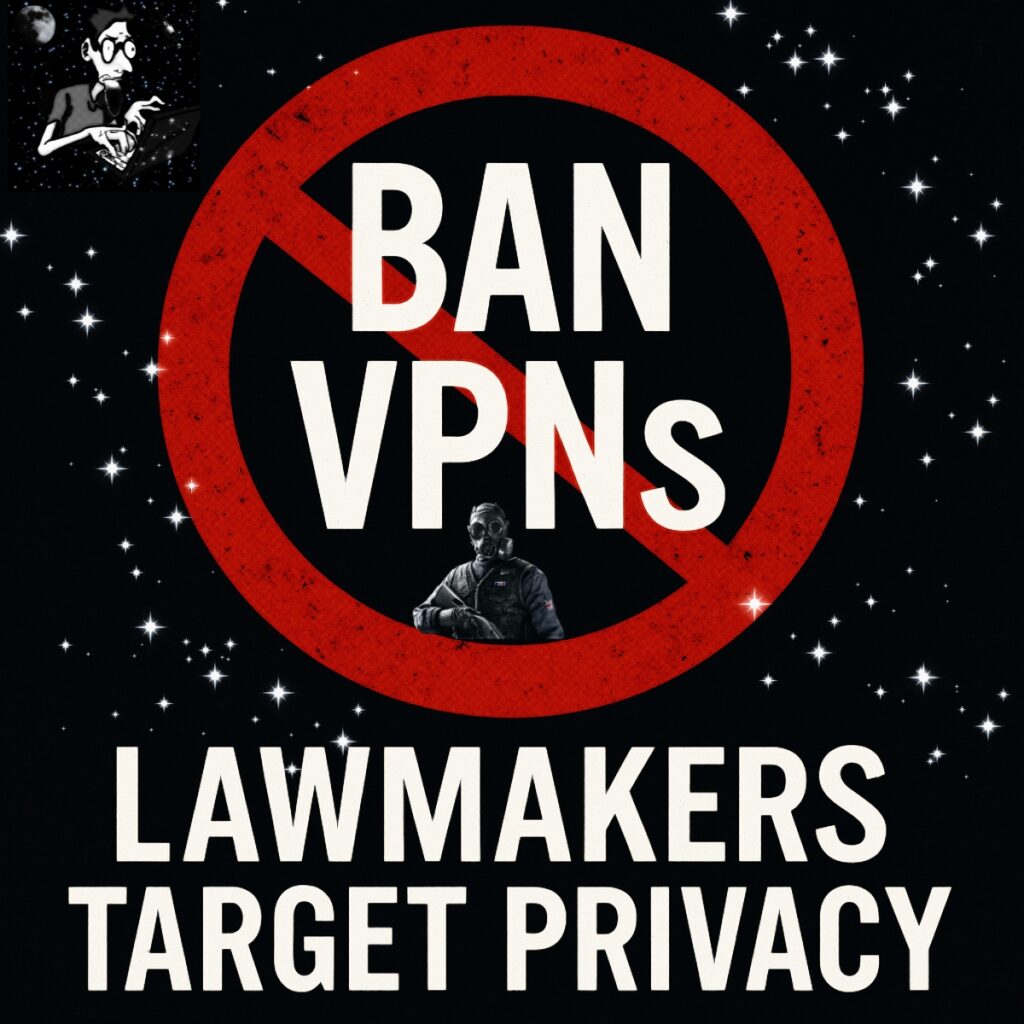
Updated December 2025 — with the latest developments on VPN ban proposals.
Virtual Private Networks (VPNs) have long been one of the cornerstone privacy and security tools on the internet used by everyday consumers, businesses, students, journalists, and activists alike. But in late 2025, a wave of state-level legislation is threatening to upend that reality by effectively banning or restricting VPN use under the guise of protecting children online.
This isn’t a hypothetical debate anymore lawmakers in Wisconsin, Michigan, and beyond are seriously considering laws that would require websites and internet providers to block VPN traffic. And if those laws become reality, the consequences could be far broader and more harmful than most people realize.
What’s Happening Right Now
Wisconsin’s VPN Block Proposal
In Wisconsin, lawmakers have introduced a pair of bills — Assembly Bill 105 (A.B. 105) and Senate Bill 130 (S.B. 130) — as part of a broader age verification push for online content. These bills would require websites that host material that could be considered “harmful to minors” to block access from users connected via VPNs.
The bills have already passed the Wisconsin State Assembly and are advancing in the Senate, meaning the possibility of passage is more real than many might assume.
Similar Efforts in Michigan
Michigan has introduced its own proposed law — informally known as the Anticorruption of Public Morals Act or House Bill 4938 — that would go even further by requiring Internet Service Providers (ISPs) to block VPN traffic outright. That bill is still in earlier stages and has not yet passed its legislature.
Globally, VPNs Are Under Scrutiny Too
While the U.S. proposals get headlines, similar discussions are emerging abroad. In the United Kingdom, lawmakers in the House of Lords have recently proposed amendments to the Children’s Wellbeing and Schools Bill that would restrict VPN use by minors and force providers to verify age with government ID or biometric data.
Why These Bills Are Technically and Legally Problematic
1. It’s Practically Impossible to Enforce
VPNs work by encrypting your internet connection and routing it through a server in another location. To a website, all the server’s traffic looks the same whether it’s in Wisconsin, Michigan, or Mumbai making it virtually impossible for sites to reliably detect and block VPN users only from certain states.
If a site tries to comply, it either:
• Blocks all VPN traffic everywhere (hurting people outside the state), or
• Blocks all traffic from that state entirely, crippling access for legitimate users.
Neither option helps kids or protects privacy.
2. VPNs Are Not Just for Evading Age Checks
The lawmakers advancing these bills often frame VPNs as a “loophole” that lets kids bypass age verification systems. But this is a gross oversimplification:
🔹 Remote workers and businesses use VPNs to access secure networks from home or on the road.
🔹 Students and educators rely on VPNs to reach campus systems securely.
🔹 Journalists and activists use them to avoid surveillance and maintain safety.
🔹 Regular users use VPNs to protect their data on public Wi-Fi.
Blocking or severely limiting VPN use would harm all of these groups not just minors trying to access restricted content.
3. The Laws Could Expand What “Harmful to Minors” Means
The language in these bills can be broad and vague. Laws that define “harmful to minors” may end up encompassing basic sexual education, artistic expression, or even health information, allowing authorities to pressure sites into intrusive age verification or censorship.
It’s no surprise that digital rights organizations and privacy advocates — including the Electronic Frontier Foundation (EFF) — are sounding the alarm. They argue that these policies could quickly turn into privacy nightmares rather than protective measures.
How This Could Hurt You — Even If You’re Not a Minor
Here are some of the real world impacts if VPN bans were enacted:
📌 Broken Remote Work and Business Networks
Many businesses use VPNs to securely connect teams and protect internal data. Mandating ISPs to block VPNs would disrupt these essential services.
📌 Invasion of Personal Privacy
To enforce age verification and block VPNs, websites might need to collect government ID, biometric data, or credit information — ironically creating the very privacy risks these laws claim to mitigate.
📌 Security Risks and Surveillance
Removing VPN protections undercuts secure communication and makes users more vulnerable to surveillance, hacks, and data leaks.
📌 Internet Fragmentation
If each state enacts different rules, websites might simply choose to refuse access to that state to avoid legal liability effectively blockading citizens from parts of the internet.
What Can Be Done Instead
Instead of knee-jerk bans on privacy tools, digital rights advocates propose:
✅ Better parental controls and safety tools that respect privacy
✅ Education on online harm, not censorship
✅ Privacy-respecting age verification solutions
✅ Targeted enforcement against genuinely harmful content, not broad infrastructures like VPNs
These approaches protect kids without destroying everyone’s privacy.
Where Things Stand Now
• Wisconsin’s VPN restriction proposal has passed the Assembly and is being considered in the Senate.
• Michigan’s bill remains under review and has not yet progressed to final votes.
• Nothing has become law yet — but the trend shows state lawmakers are increasingly willing to target VPNs.
In short, VPNs have gone from a privacy tool to legislative flashpoint, despite widespread misunderstanding of how the technology works.
Conclusion — The Stakes Are High
Lawmakers’ attempts to ban or restrict VPNs are technically flawed, poorly targeted, and risk doing far more harm than good. Instead of protecting children online, these laws threaten privacy, security, education, and basic internet freedoms for everyone.
Until lawmakers understand the technology they’re regulating, and until policymakers adopt solutions that actually balance safety with fundamental rights, these debates will continue — and everyone who relies on the open internet should be paying attention.